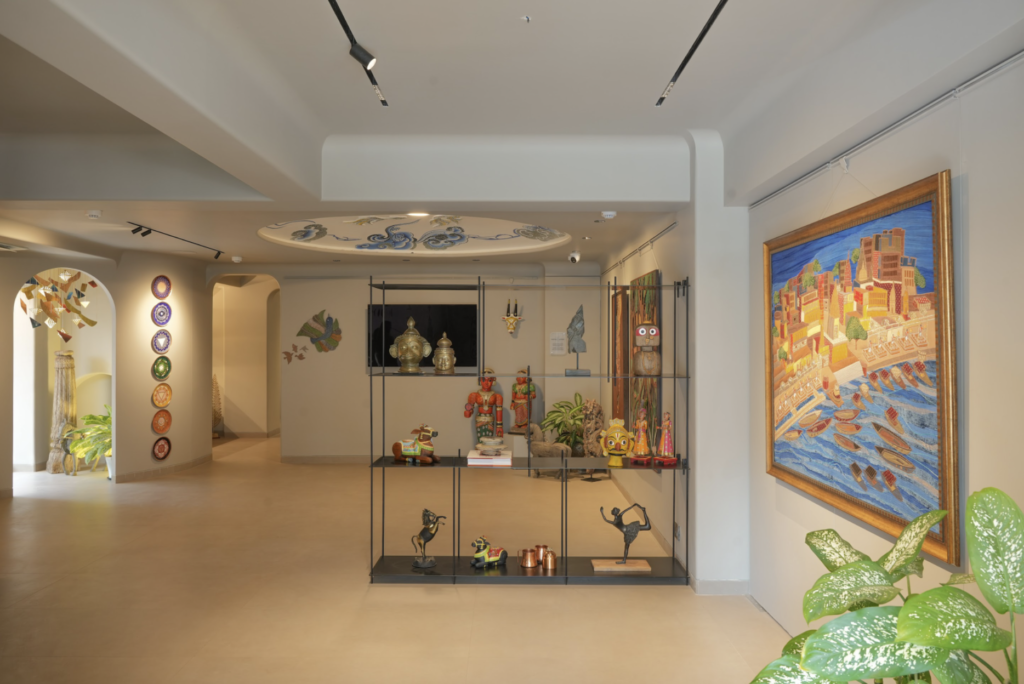

A guide to creating contemporary spaces rooted in culture, craft, and timeless beauty.
In today’s design landscape, where homes increasingly reflect personal identity and conscious living, there is a renewed love for integrating traditional Indian art into modern interiors. It honours heritage, supports artisan communities, and brings soul back into contemporary spaces that often feel too minimal, too muted, or too manufactured.
Blending old-world craftsmanship with modern sensibilities creates environments layered with stories. And in a world seeking meaning over mimicry, this balance feels not just relevant, but necessary.
Why Traditional Crafts Belong in Modern Interiors
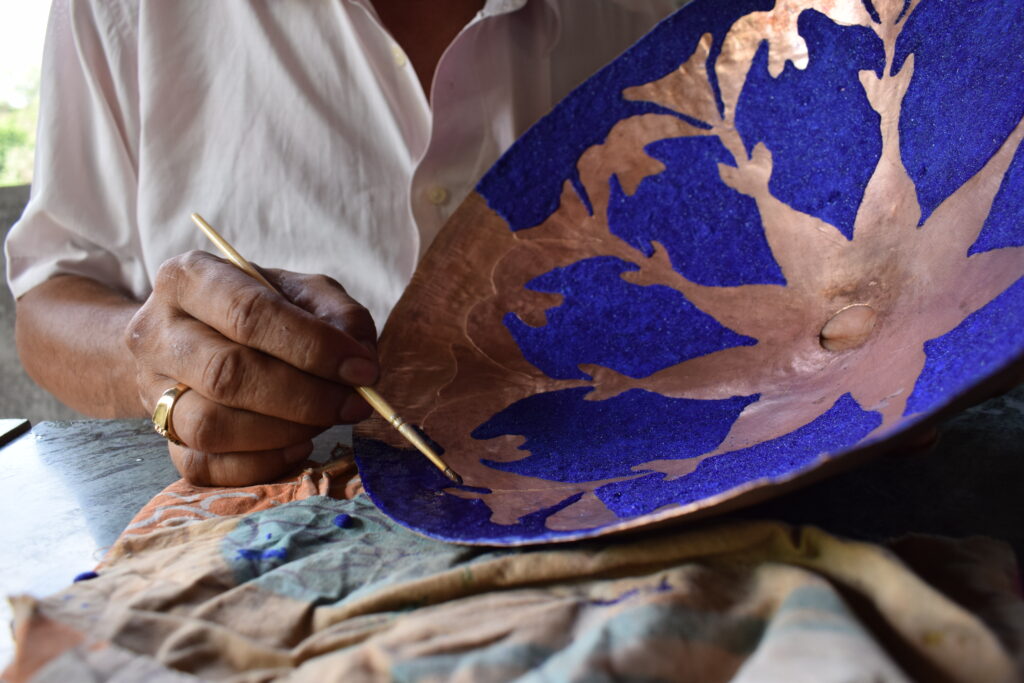
Traditional Indian crafts are more than just decorative. Each piece is shaped by skills passed down through generations, influenced by local materials, and inspired by mythologies, rituals, and regional identities. Unlike mass-produced décor, handcrafted objects carry a human touch, a legacy, and a deep sense of connect.
From a sustainability lens, the argument grows even stronger. Handcrafted art usually involves natural materials, low-energy production methods and longer product life cycles. Supporting crafts means supporting slow design, rural livelihood generation and preservation of unique cultural skills. This ethos is increasingly embraced by modern homeowners seeking meaningful, eco-conscious choices.
When integrated thoughtfully, traditional art doesn’t date a space. Instead, it anchors it, giving modern rooms depth, warmth, and emotional resonance.
How to Seamlessly Blend Heritage Art with the Contemporary
Designing a space where traditional Indian art and modern aesthetics coexist doesn’t require a complete overhaul. Sometimes, the smallest changes create the biggest impact.
1. Use the Unexpected Spaces
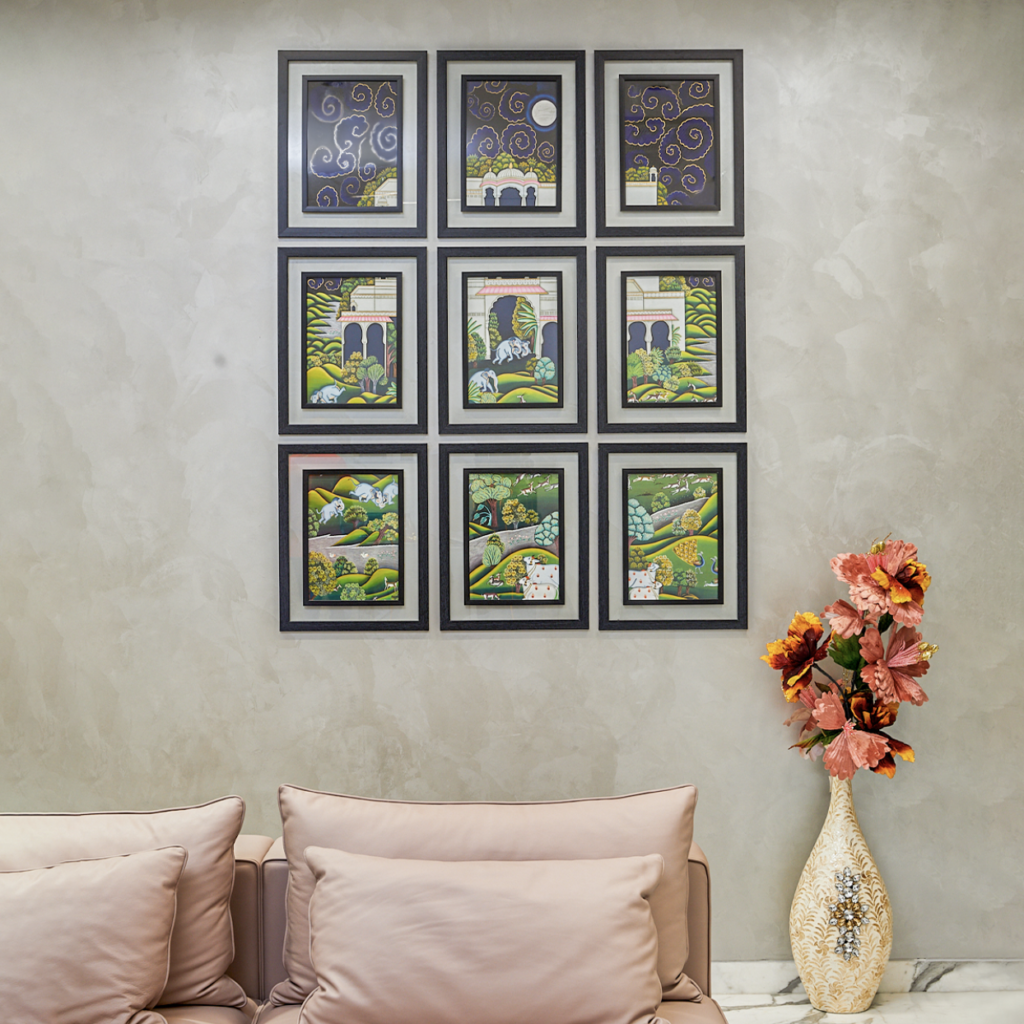
We often reserve art for “destination walls”, the space above the sofa, the dining area, or a large backdrop. Yet, narrow passages, stairwells, entries, or even overlooked corners are perfect spots for art. A cluster of small framed patachitra, a set of miniature paintings, or travel-collected craft pieces can transform these areas into intimate storytelling pockets.
These little surprises not only elevate the flow of your home but also create visual moments that feel personal.
2. Get the Scale Right
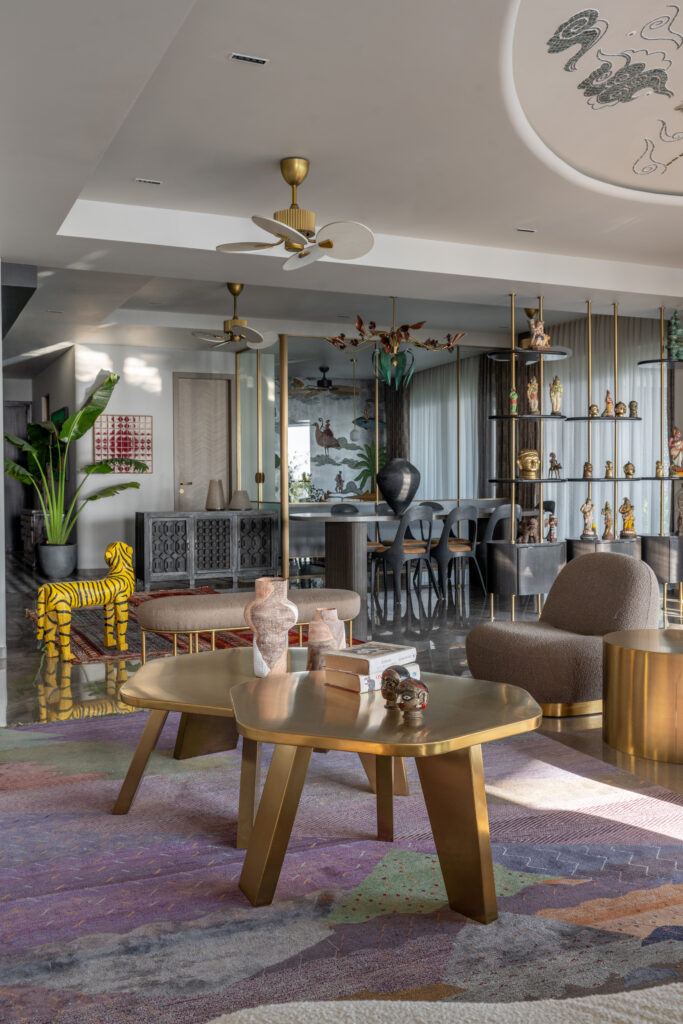
Proportion is everything. A stunning piece can lose impact if the sizing feels off.
As a guideline:
- Artwork should occupy one-third to two-thirds of the wall it sits on.
- If placed above furniture, such as a sofa or console, aim for the piece to span around two-thirds the width of the element below it.
Traditional artworks, whether a single large Madhubani canvas or a pair of Tanjore panels, can act as strong contemporary anchors when sized correctly.
3. Choose Pieces That Speak to You
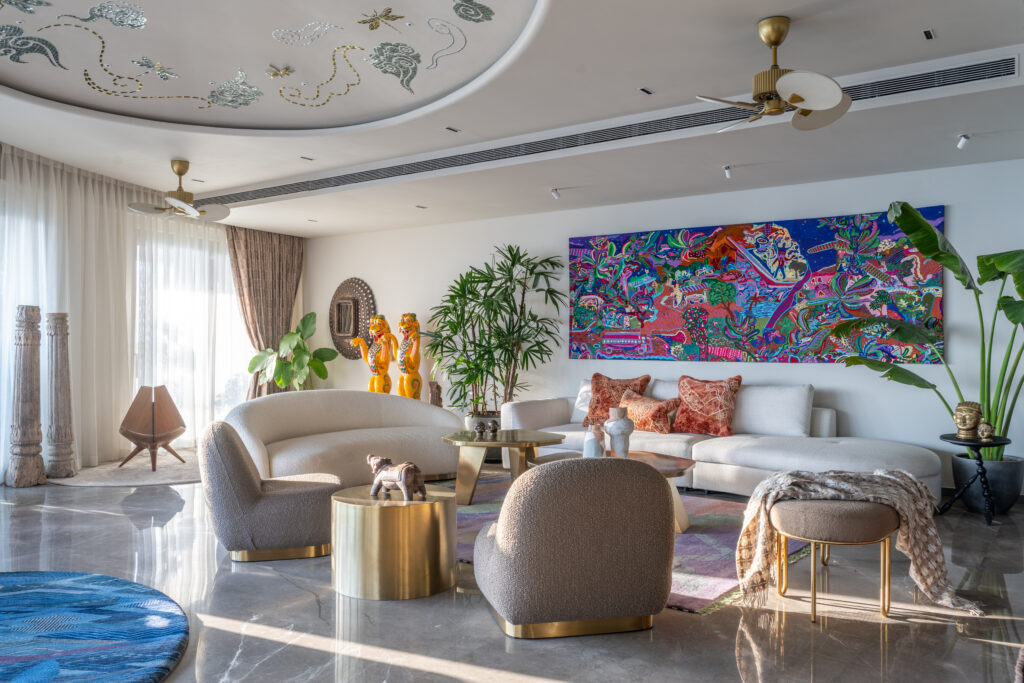
The best art isn’t chosen for trends, it’s chosen for connection.
Pick pieces that evoke emotion like the feeling of calm, nostalgia, pride, joy, inspiration. Let colour guide your choices too. Some homeowners prefer tonal harmony, art that flows seamlessly with their modern palette. Others love contrast, letting a vibrant folk artwork pop against a neutral modern wall.
There is no rulebook here. What matters is that your chosen piece feels authentic to your space and your story.
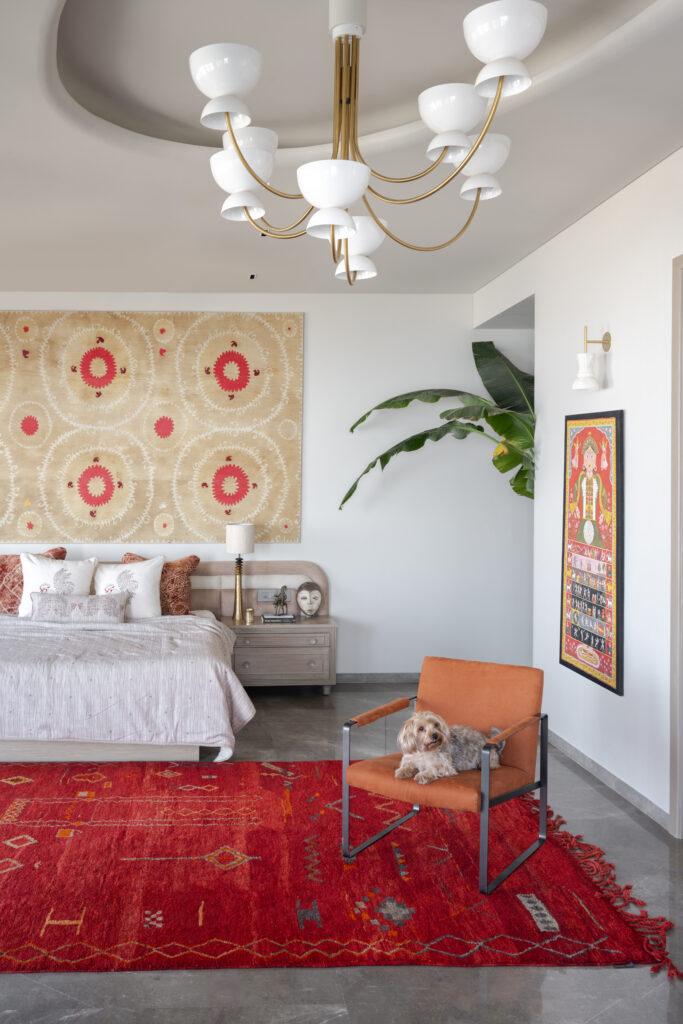
4. Think Beyond Paintings
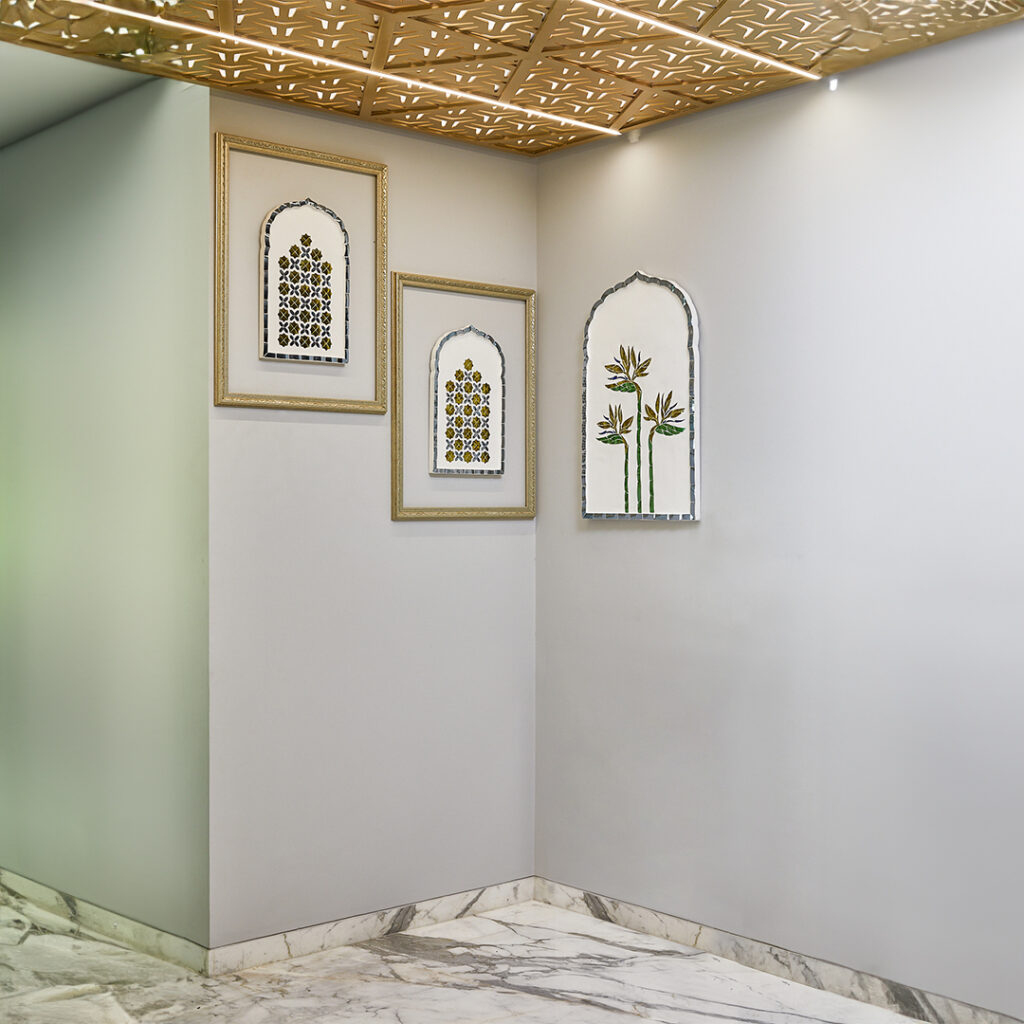
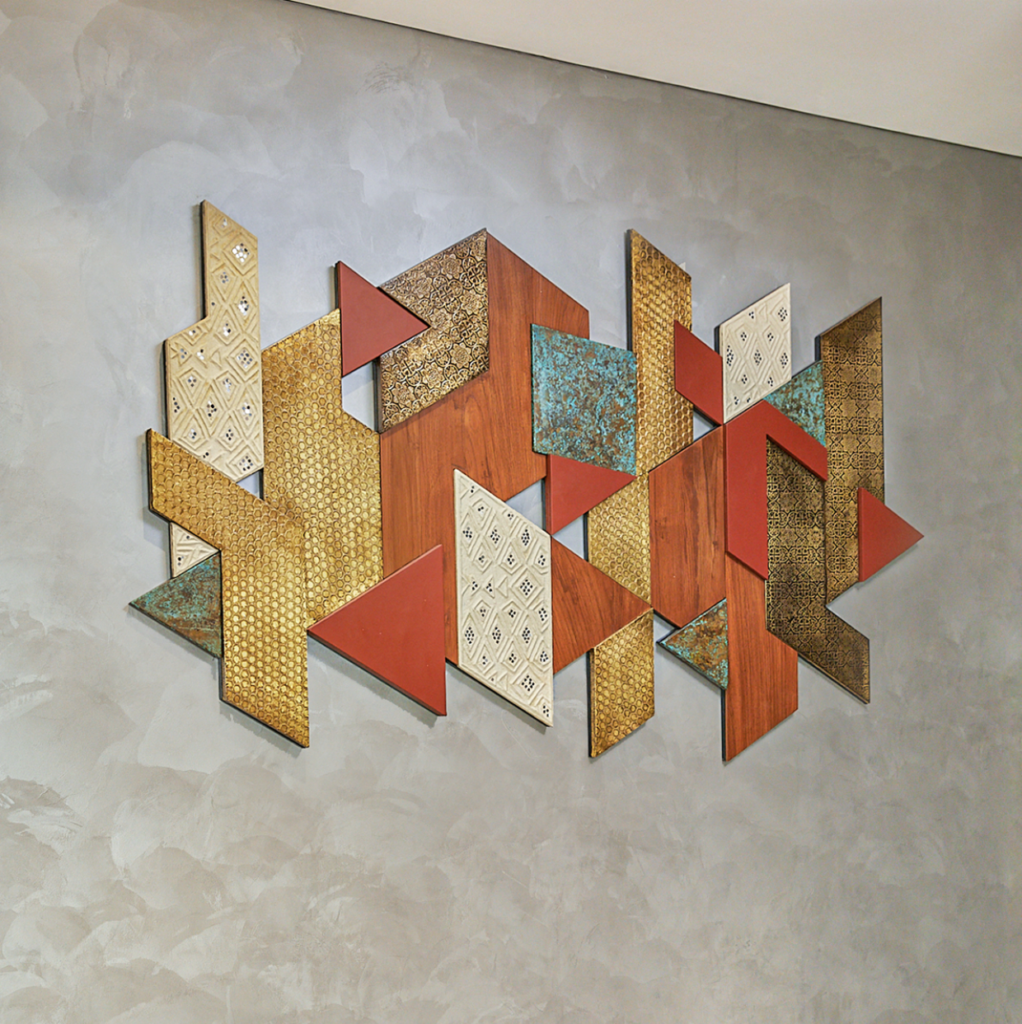
Modern interiors gain immense texture when we move beyond canvases.
Consider the following
- Carved wooden panels (jharokhas)
- Antique metal mirrors
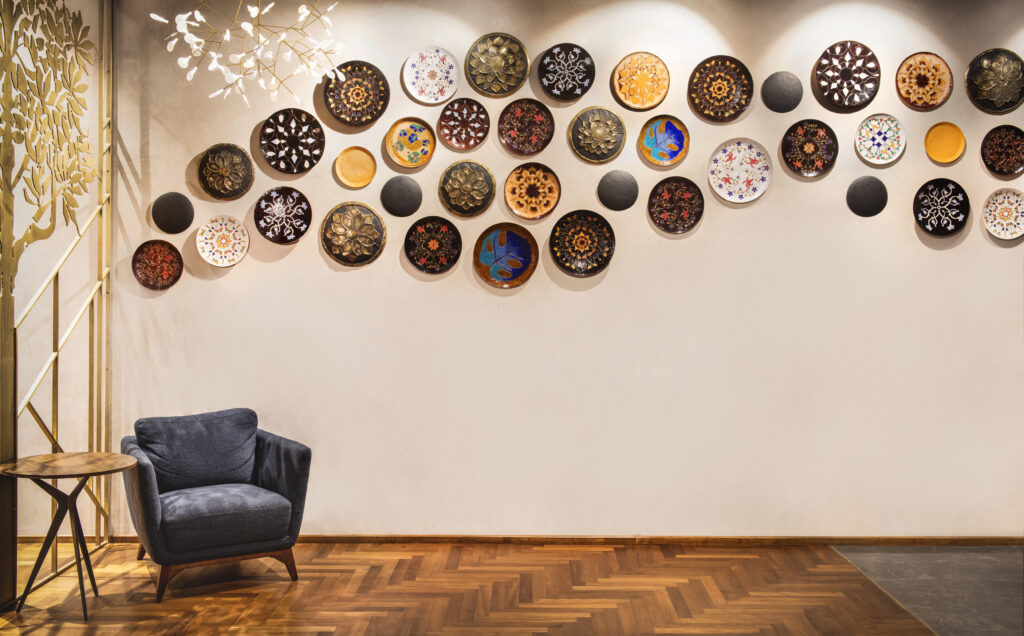
- Decorative brass thalis or tribal metalwork
- Jaali-inspired pieces
- Stone or terracotta sculptures
These elements add sculptural depth and create dynamic interplay between materials like wood, metal, stone, and light.
This is where traditional Indian craftsmanship shines. Every region offers something unique, and incorporating these forms instantly enriches modern minimalism with culture.
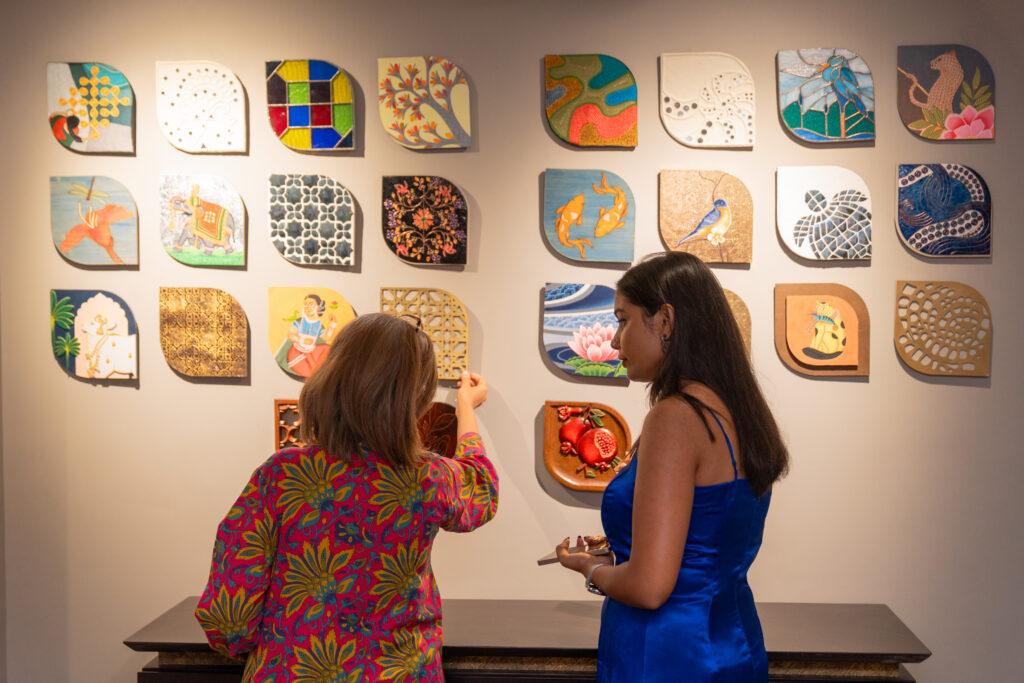
You can choose themes, or match artworks by putting together a specific palette of colors or use frames that are of similar size, composed together like a quilted grid. Trust your instinct- and do not be afraid to create eclectic settings juxtaposing traditional and modern pieces.
5. Mix and Match
In Conclusion, Modern Isn’t the Opposite of Traditional, consider it an extension of our past
Tradition isn’t something we leave behind. It’s something we carry forward, into new materials, new spaces, new ways of living. When traditional craft enters a contemporary home, it doesn’t lose its spirit. It finds a new language.
By choosing handmade over hurried, cultural richness over minimal replication, we create homes that feel rooted and relevant. Modern design becomes less about novelty and more about memory, less about aesthetic speed and more about thoughtful continuity.
Want a Custom Art Curation for Your Home?
Baaya Designs offers personalized art consulting to help you find pieces that perfectly blend with your interior style. From wall installations to heritage crafts reinvented for modern spaces we help bring stories into your home as bespoke residential.
About Baaya Design
Baaya Design creates luxury contemporary interiors rooted in Indian craftsmanship. Working with master artisans across India, Baaya brings traditional Indian art into modern bespoke homes, bespoke corporate & commercial , and bespoke hospitality spaces through handcrafted wall art, furniture, lighting, and custom art installations.
Its offerings include Baaya Bespoke, delivering site-specific and custom-designed interior solutions; Baaya Signature, a curated collection of original craft-led designs; and Baaya Selection, featuring thoughtfully sourced artisan-made pieces. Together, they enable architects, interior designers, and homeowners to create modern Indian interiors that are timeless, sustainable, and culturally rich.
Explore handcrafted Indian art and bespoke interior design solutions at www.baayadesign.com.