
Blog
-
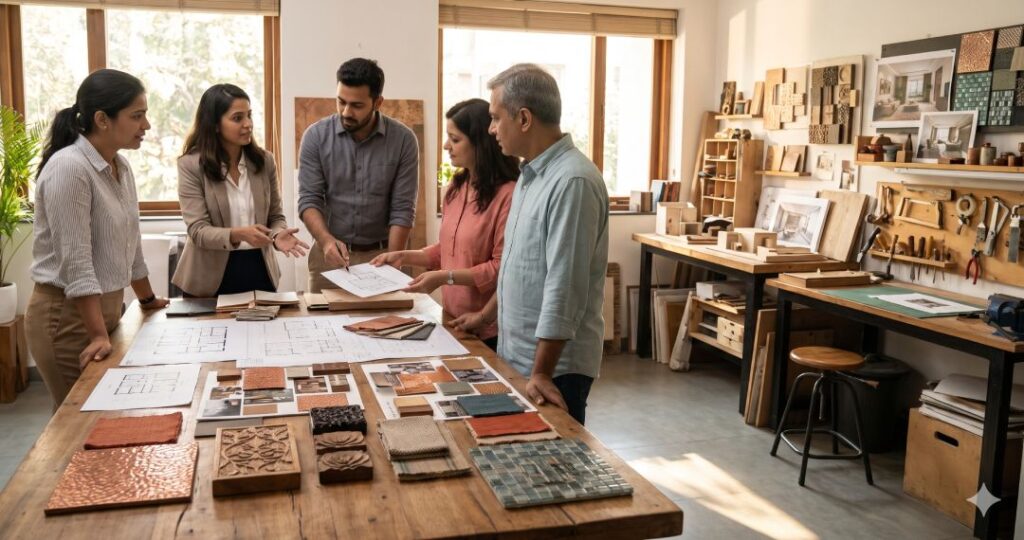
How to Choose an Art Design Studio for Your Interior Project
A room can have beautiful furniture, carefully chosen finishes and generous proportions, yet still feel as though something is missing. Often, it needs a piece that connects everything: an artwork that responds to the architecture, a light installation that introduces movement, or a surface that brings texture and meaning. Choosing an art design studio is…
-
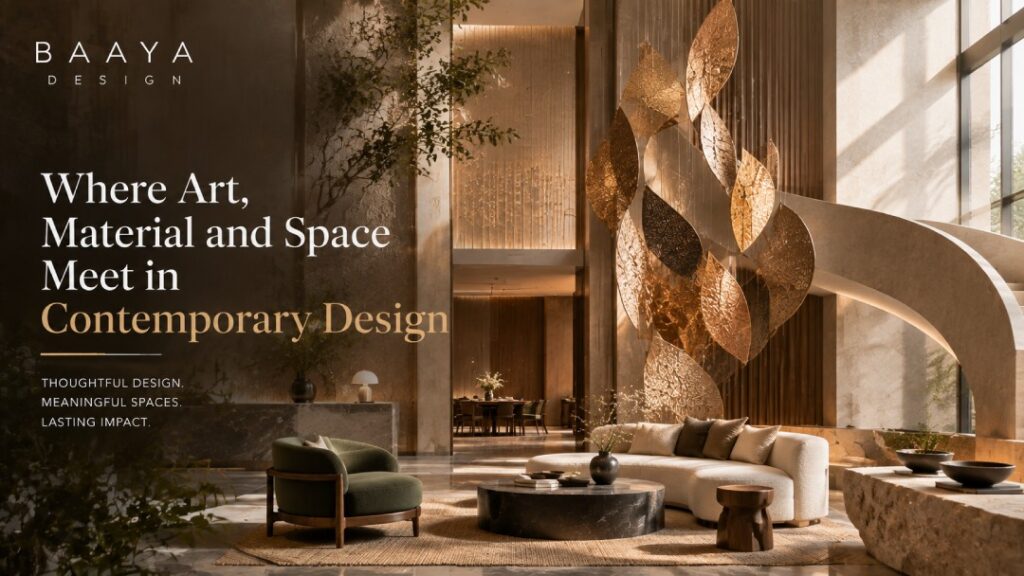
Where Art, Material and Space Meet in Contemporary Design
A large wall does not automatically require a large artwork, just as a double-height lobby does not necessarily need a dramatic sculpture. Even a beautifully crafted object can feel disconnected when it has not been considered in relation to the architecture around it. The relationship between art, material and space is more complex than matching…
-
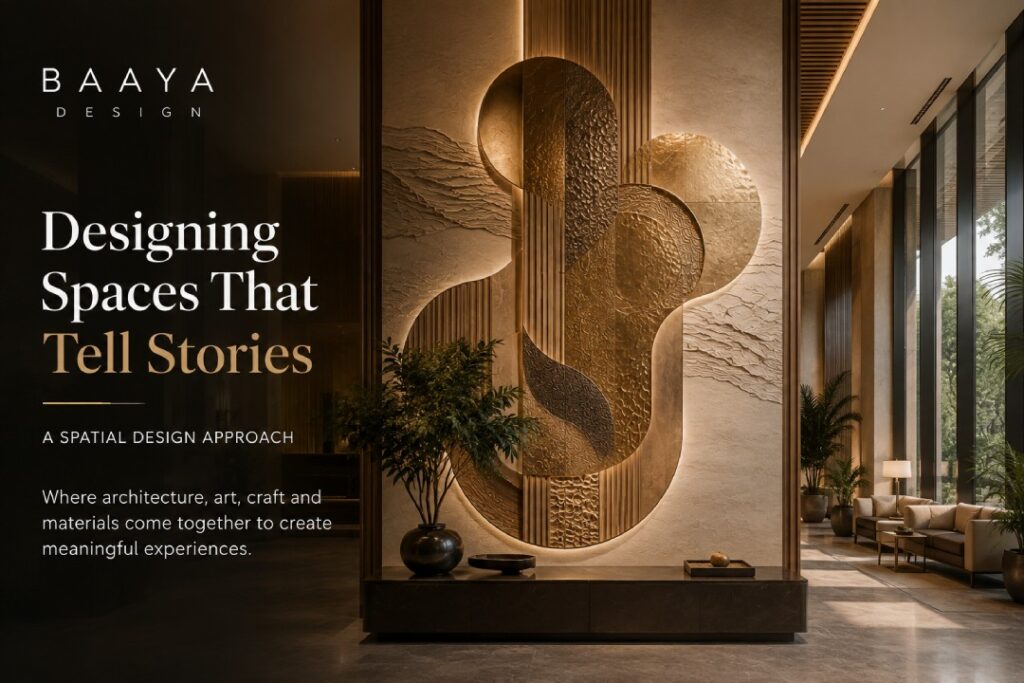
Designing Spaces That Tell Stories: A Spatial Design Approach
Every space communicates something, whether deliberately or unintentionally. A hotel can reveal something about the landscape around it, a workplace can communicate how an organisation sees itself, and a residence can hold references to family, memory and personal history. Spatial storytelling is the process of translating these ideas into a physical experience. It is not…
-
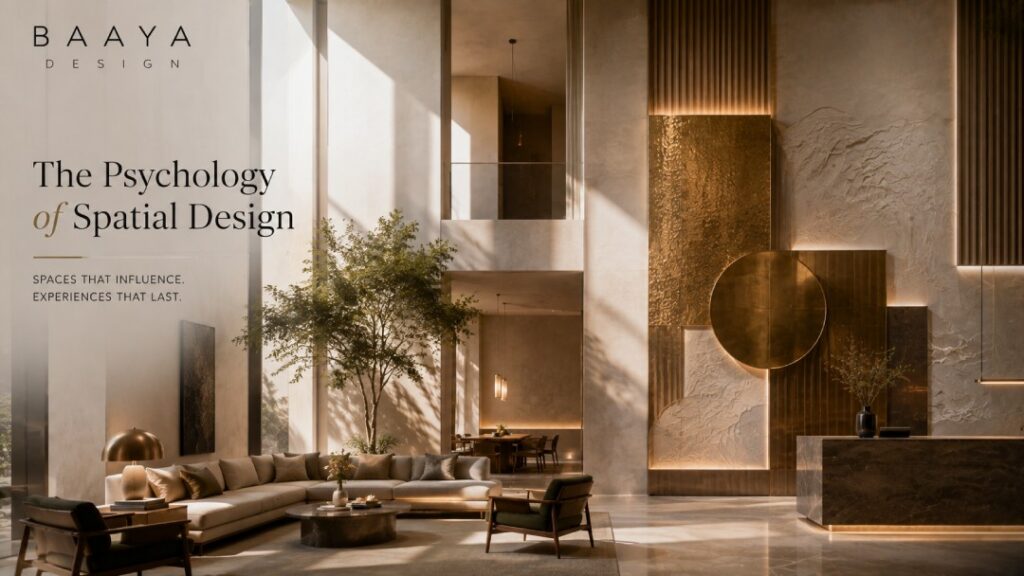
The Psychology of Spatial Design: Why Some Spaces Stay With Us
Some spaces encourage us to slow down without telling us to. Others make us move quickly through them. A narrow passage can heighten anticipation before entering a larger volume, a softer material palette can make an expansive room feel more intimate, and an artwork placed at the end of a long sightline can draw someone…
-
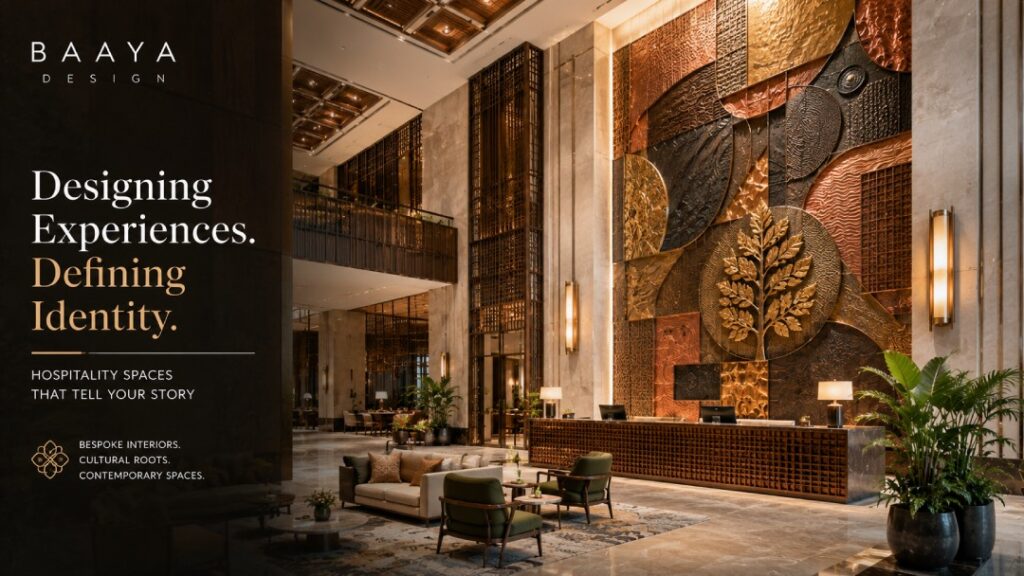
How a Unique Design Identity Makes Hospitality Spaces Memorable
A guest may forget the dimensions of a hotel lobby, the exact colour of a wall or even the furniture they sat on. What often remains is something less tangible: how the place felt. Perhaps it was the transition from a quiet entrance into an expansive courtyard, a crafted surface that revealed something about the…
-
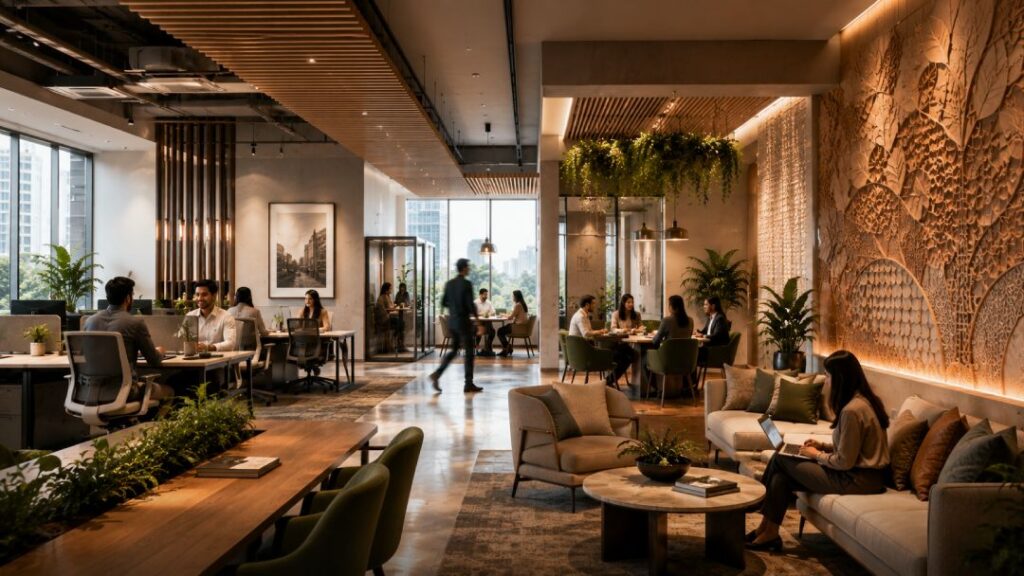
Why Employees Respond Better to Well-Designed Environments (Earning the Commute)
The post-pandemic corporate landscape has presented a definitive challenge: how do you get employees to *want* to come back to the office? The answer doesn’t lie in mandatory attendance policies; it lies in spatial design. Today’s office must ‘earn the commute.’ A sea of grey cubicles and harsh fluorescent lighting no longer cuts it. Companies…
-
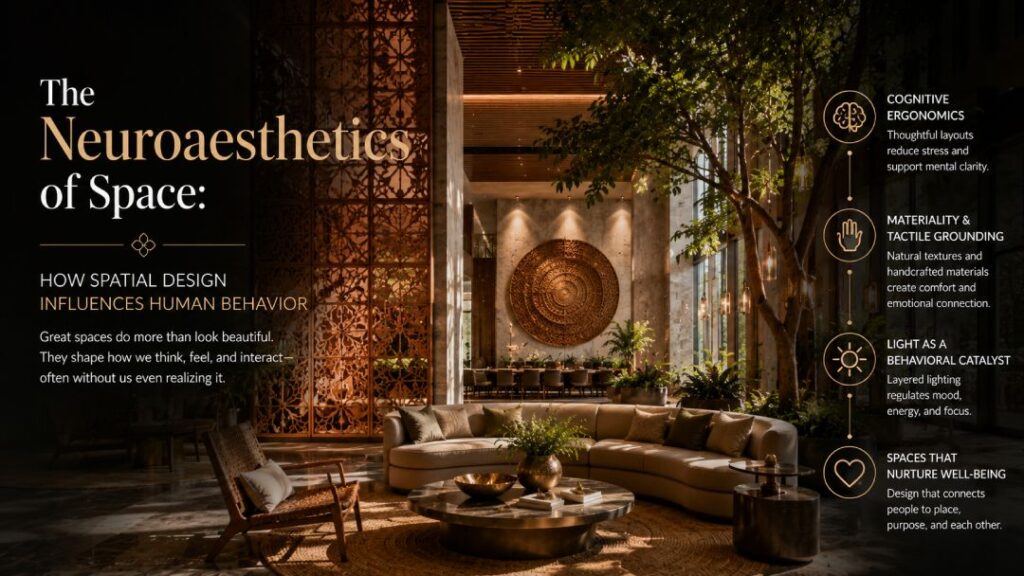
The Neuroaesthetics of Space: How Spatial Design Influences Human Behavior
We have all walked into a room and instantly felt our shoulders drop, or conversely, felt an inexplicable spike in anxiety. While we often chalk this up to a room’s ‘vibe,’ the reality is rooted in a highly measurable science: neuroaesthetics. Spatial design is not merely about filling a room with beautiful objects; it is…
-
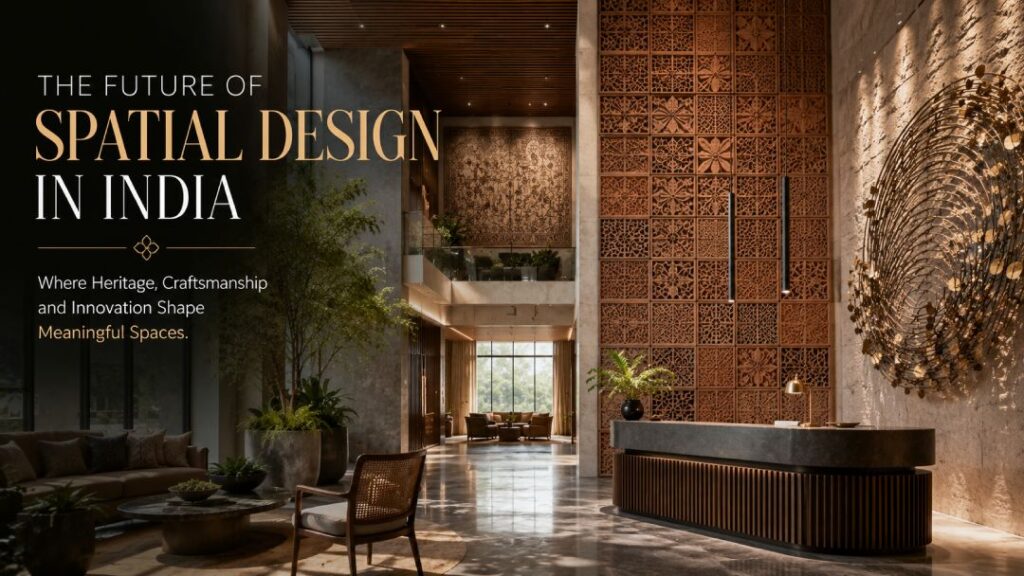
The Future of Spatial Design in India
For the last two decades, if you walked into a luxury corporate office in Mumbai or a high-end resort in Bengaluru, you were likely looking at a replica of the West. Sleek glass facades, imported Italian marble, and minimalist, sterile lobbies were the universal shorthand for ‘premium.’ But the landscape is shifting rapidly. The most…
-
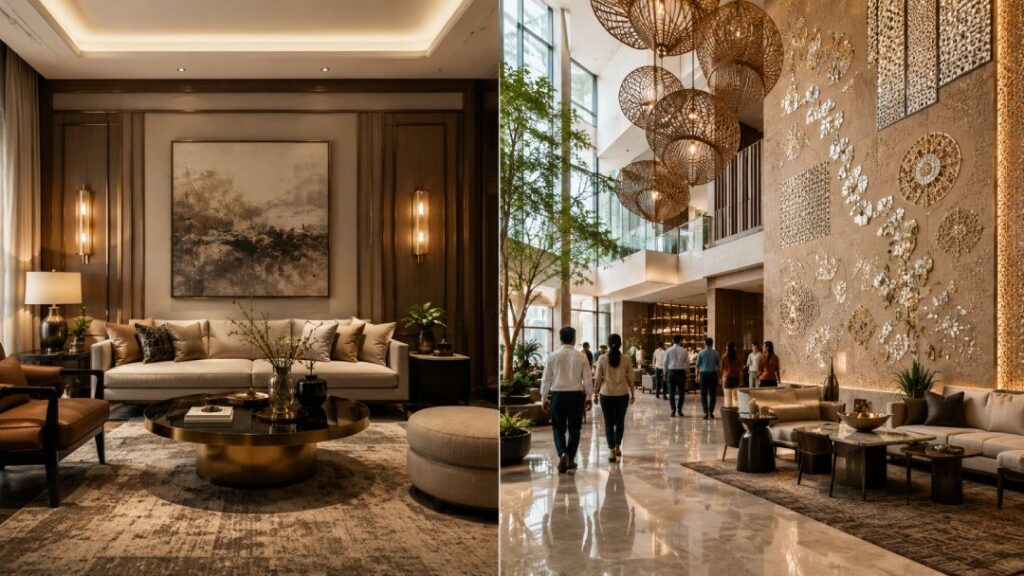
Spatial Design vs. Interior Design: Why Beautiful Rooms Aren’t Always Good Spaces
Let’s get straight to it: you can have a beautifully decorated room that feels terrible to sit in. Maybe the acoustics amplify every footstep. Maybe the lighting makes you feel like you’re under interrogation by 3 PM. Or maybe the room just feels ‘off,’ even though the furniture cost a fortune. This disconnect is the…
-
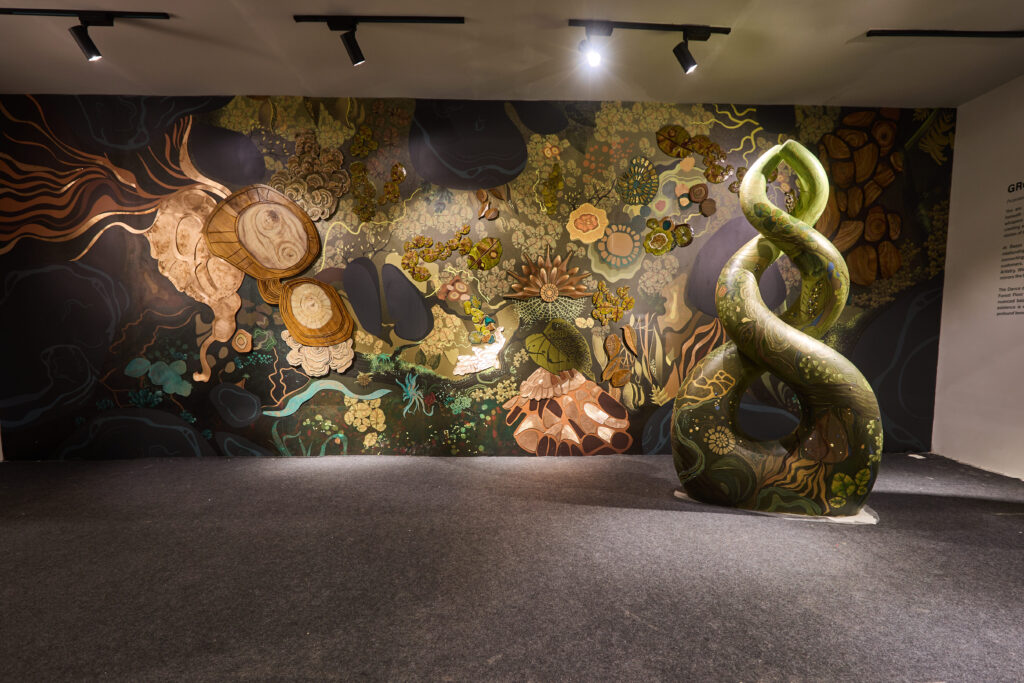
How Design Helps People Connect with Spaces Emotionally
Most people have had this experience at least once. You walk into a space, a home, a hotel room, sometimes even an office, and something just settles. You feel calmer. More comfortable. Like you could stay a while without trying. And then you walk into a different space that looks, on paper, just as good.…