

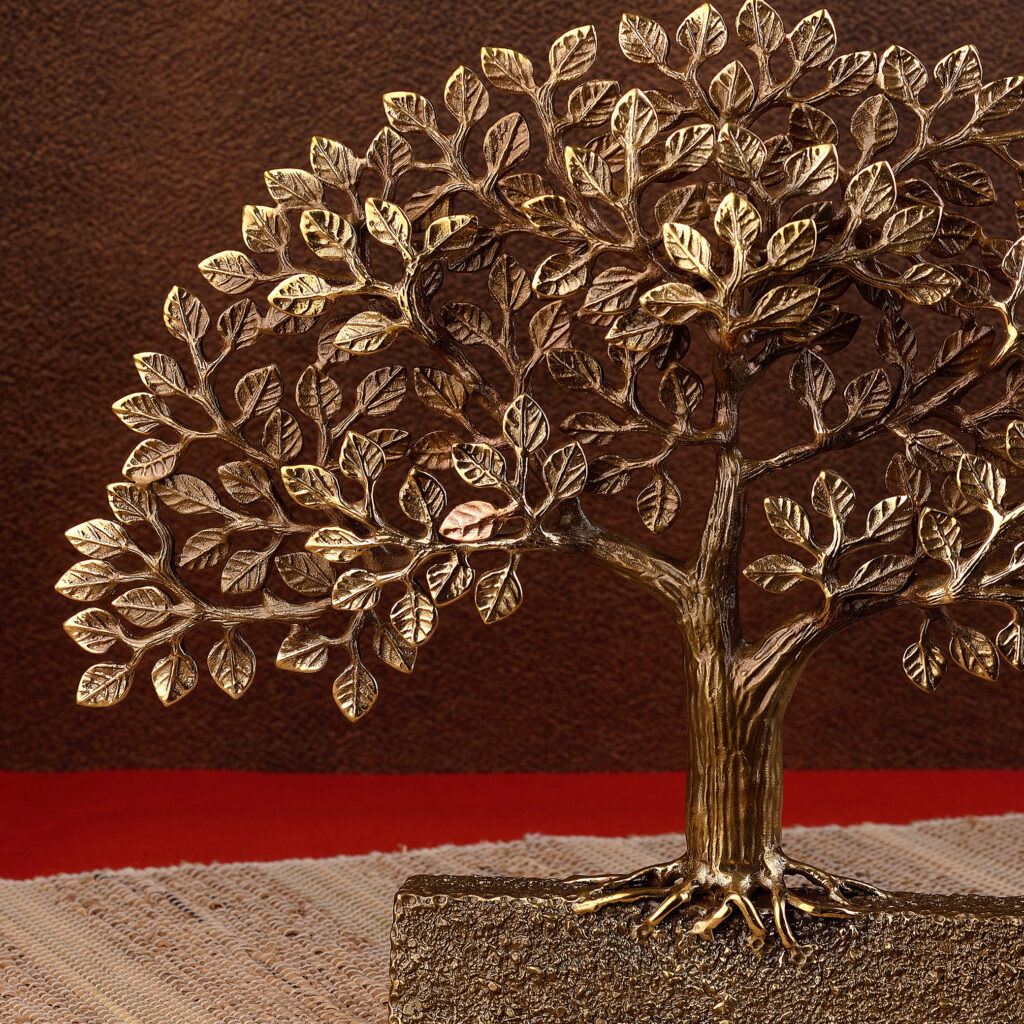
A 2026 guide to styling homes with art, craft, and character
In 2026, interior styling has moved beyond matching furniture sets or following fleeting trends. Homes today are deeply personal, layered with stories, and intentionally curated. One of the most powerful ways to achieve this is by incorporating handcrafted art and artisanal décor into fully furnished spaces.
Handcrafted pieces bring warmth, individuality, and cultural richness to interiors. Whether you live in a contemporary apartment or a traditionally styled home, the right art placed thoughtfully can elevate your space from styled to soulful.
This guide explores practical interior styling tips using handcrafted pieces, helping you choose, place, balance, and care for art in a way that feels timeless and relevant.
1. Where Should You Display Art at Home? (Including Uncommon Spaces)
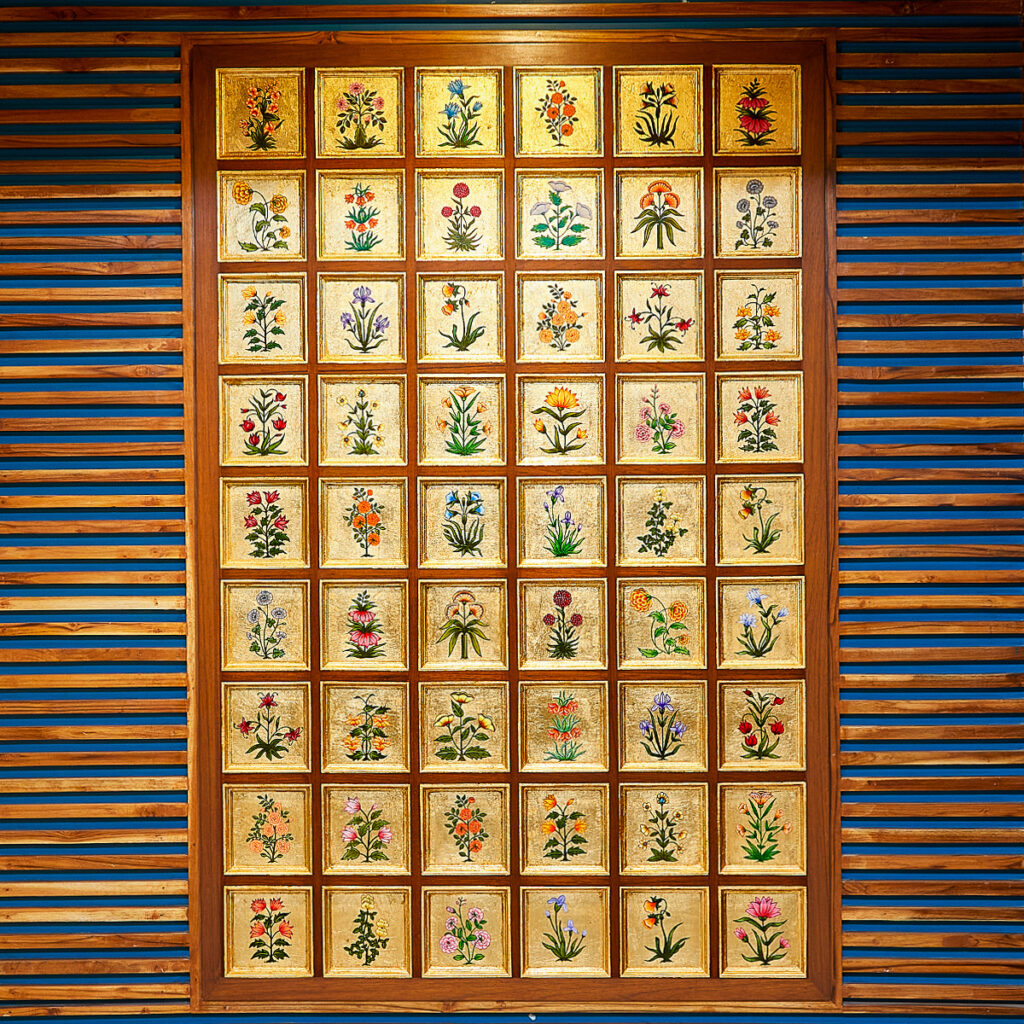
The most obvious and effective places for art remain high-visibility walls above the main sofa, behind dining seating, above consoles, or on feature walls. These areas naturally become focal points and are ideal for showcasing larger handcrafted murals or artworks.
However, some of the most impactful styling happens in unexpected spaces:
- Passageways and corridors: Perfect for travel-inspired art, miniature paintings, or a curated cluster of small artworks
- Stairwells and landings: Vertical compositions work beautifully here
- Entryways: A strong first impression using statement art or sculptural pieces
- Quiet corners: Create intimate art moments that feel discovered, not staged
Transitional spaces allow you to tell a story whether through location-based art, shared themes, or cohesive colour palettes without overwhelming your primary rooms.
2. How Do You Determine the Right Artwork Size for Your Space?
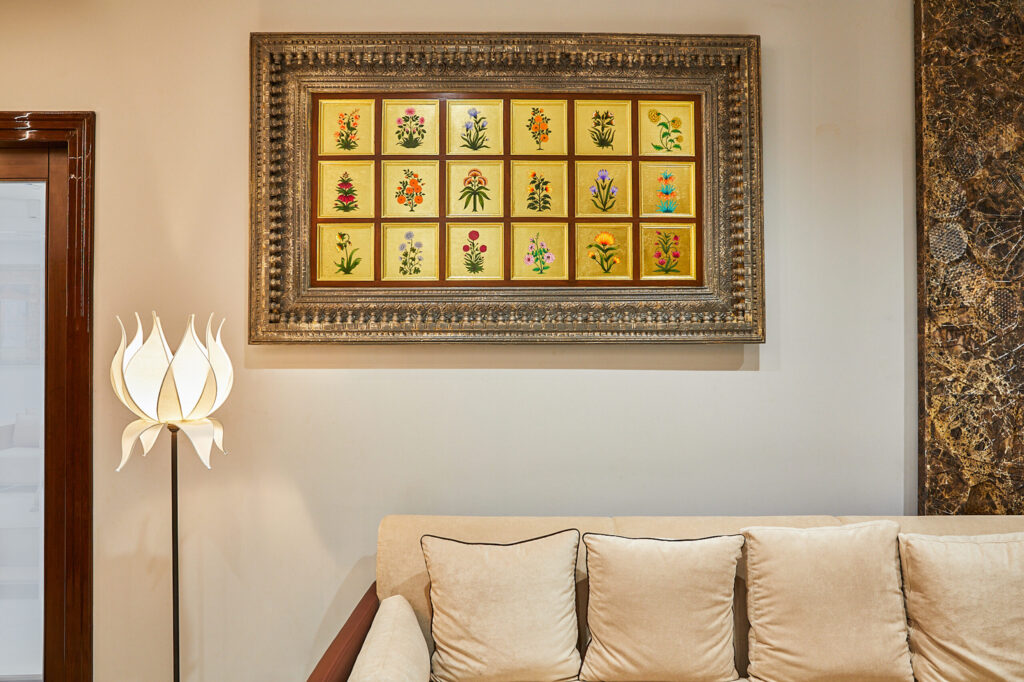
Choosing the correct size is essential to achieving visual balance.
General guidelines for artwork sizing:
- Hang art at eye level, approximately 4–5 feet from the floor
- Artwork should occupy ⅓ to ⅔ of the wall width
- When placed above furniture, art should span about ⅔ the width of the sofa, cabinet, or console below
Large handcrafted murals or panels work beautifully in modern homes when proportioned correctly, acting as architectural anchors rather than decorative add-ons.
Suggested artwork:
- Benaras Mural
3. What Kind of Art Should You Choose for Your Home?
Art is deeply personal. The best pieces are not chosen based on trends, but on emotional connection.
Ask yourself:
- What mood do I want this room to evoke calm, joy, energy, introspection?
- Do I want harmony with my existing colour palette or a bold contrast?
- Does the artwork tell a story I resonate with?
Handcrafted art carries narratives of craft, culture, and process. Choosing pieces that align with your personal values and aesthetic ensures they remain meaningful over time.
Suggested artwork:
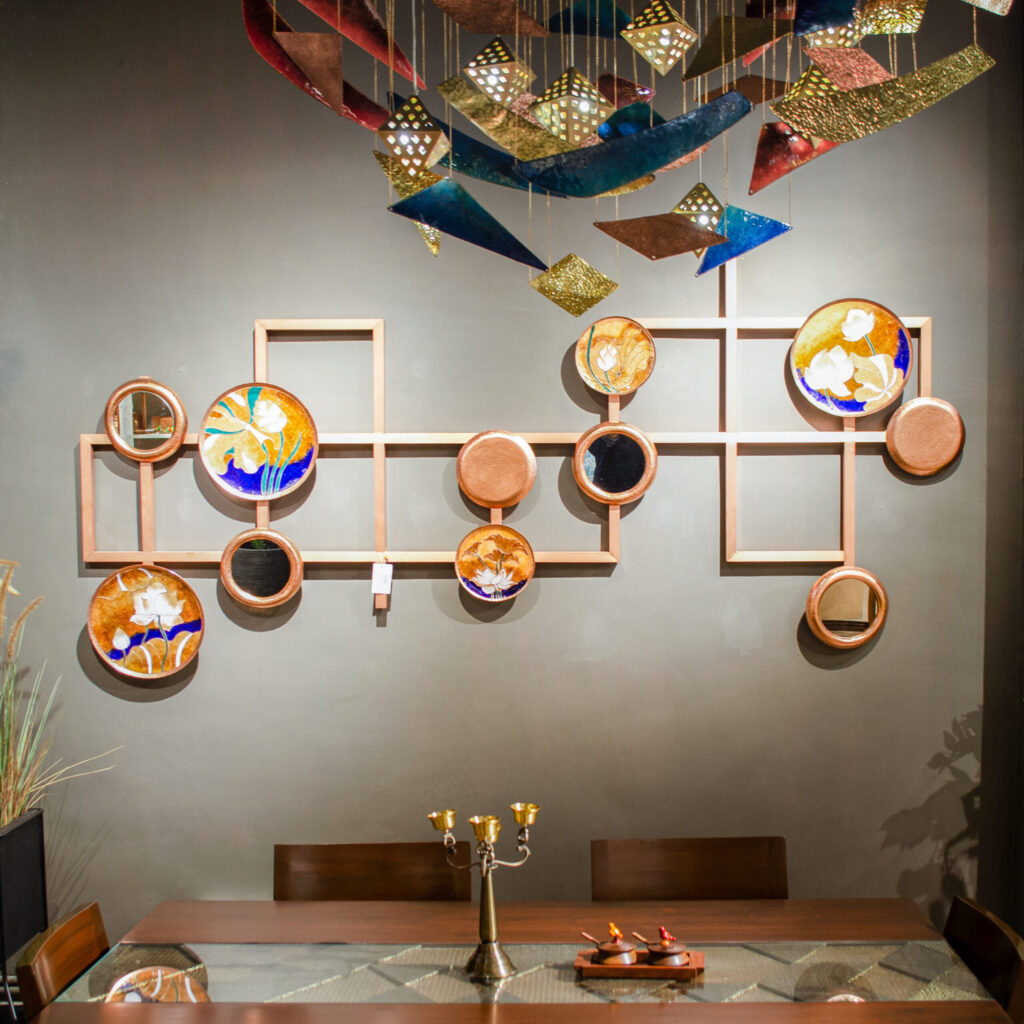
- Copper Enamel Koi Pond from Baaya’s Signature Collection
- Silver Leaf stories
4. What Can Be Used as Art Apart from Paintings?
In 2026, walls are no longer reserved for framed canvases alone. Textural, sculptural, and functional art forms are increasingly popular in modern interiors.
Consider:
- Antique or handcrafted mirrors
- Small jharokhas or carved wooden panels
- Jaali screens and panels
- Decorative metal or enamel plates
- Wall-mounted sculptural objects
- Handcrafted brass, copper, or mixed-metal artworks
These elements add depth, material contrast, and artisanal richness to contemporary spaces.
Suggested pieces:
Thikri Frames
Decorative Copper Enamel Plates
Antique Mirror
5. How Should You Care for Handcrafted Artwork?
Proper care ensures longevity and preserves craftsmanship.
Artwork care tips:
- Avoid direct sunlight to prevent fading
- Protect art from damp walls or moisture
- Always frame paper-based artworks with glass
- Use sturdy hanging hardware suitable for the artwork’s weight
- Dust regularly with a soft, dry cloth
Metal care:
- Brass: polish occasionally with coconut oil
- Copper: seal with epoxy for shine, or leave untreated to develop a natural patina
Thoughtful maintenance keeps handcrafted pieces beautiful for generations.
6. Key Design Philosophies for Incorporating Art in 2026 Homes
In 2026, interior styling embraces fluidity. Traditional and modern coexist, minimalism meets curated maximalism, and art becomes a bridge between eras.
Art today is not about fitting into a category it’s about conversation. The most successful interiors allow artworks to complement existing furniture while introducing contrast, texture, and narrative depth.
7. How Do You Add Modern Art to a Traditional Home?
Balance is key. Modern artworks can thrive in traditional settings when paired with complementary accents.
For example, Leopard in the City with its silver leafing and Gond-inspired motifs works beautifully in classic interiors when paired with a mid-century side table or sculptural lighting. The result is an eclectic yet intentional space where styles enhance one another rather than clash.
Suggested artwork:
8. How Do You Add Traditional Art to a Modern Home?
The strategy here is contrast with intention.
Give traditional artworks space to breathe. White walls, negative space, and minimal surroundings allow heritage pieces to command attention.
For instance, Banarasi Mahal, with its intricate detailing and gold leafing, becomes a powerful focal point in a modern home when surrounded by clean-lined furniture and neutral finishes.
Suggested artwork:
9. Styling Ornate or Baroque Pieces in Minimalist Homes
Minimalist interiors can embrace bold pieces through thoughtful maximalism.
Create small vignettes pair an ornate mirror with a ceramic vase and books, or anchor a sculptural piece with understated furnishings. This ensures the artwork feels curated, not overwhelming.
Suggested artwork:
10. How Do You Choose the Right Statement Art Piece?
Statement artworks are long-term investments. When choosing one, consider:
- Architectural scale of the space
- Colour palette and contrast
- Emotional resonance
- Narrative and cultural value
- Lighting conditions
- Longevity beyond trends
Artworks like Soul of the Place, with its Aari embroidery and layered storytelling, naturally draw the eye while remaining timeless and meaningful.
Suggested artwork:
11. How Do You Know When You’ve Gone Overboard?
The answer lies in balance and negative space.
If artworks compete for attention or the room feels visually exhausting, it’s time to edit. A well-styled interior allows the eye to rest between focal points. In 2026, restraint is just as important as expression.
Want a Custom Art Curation for Your Home?
Baaya Designs offers personalized art consulting to help you find pieces that perfectly blend with your interior style. From wall installations to heritage crafts reinvented for modern spaces we help bring stories into your home.
About Baaya Design
Baaya Design creates luxury contemporary interiors rooted in Indian craftsmanship. Working with master artisans across India, Baaya brings traditional Indian art into modern homes, offices, and hospitality spaces through handcrafted wall art, furniture, lighting, and custom art installations.
Its offerings include Baaya Bespoke, delivering site-specific and custom-designed interior solutions; Baaya Signature, a curated collection of original craft-led designs; and Baaya Selection, featuring thoughtfully sourced artisan-made pieces. Together, they enable architects, interior designers, and homeowners to create modern Indian interiors that are timeless, sustainable, and culturally rich.
Explore handcrafted Indian art and bespoke interior design solutions at baayadesign.com.